Background
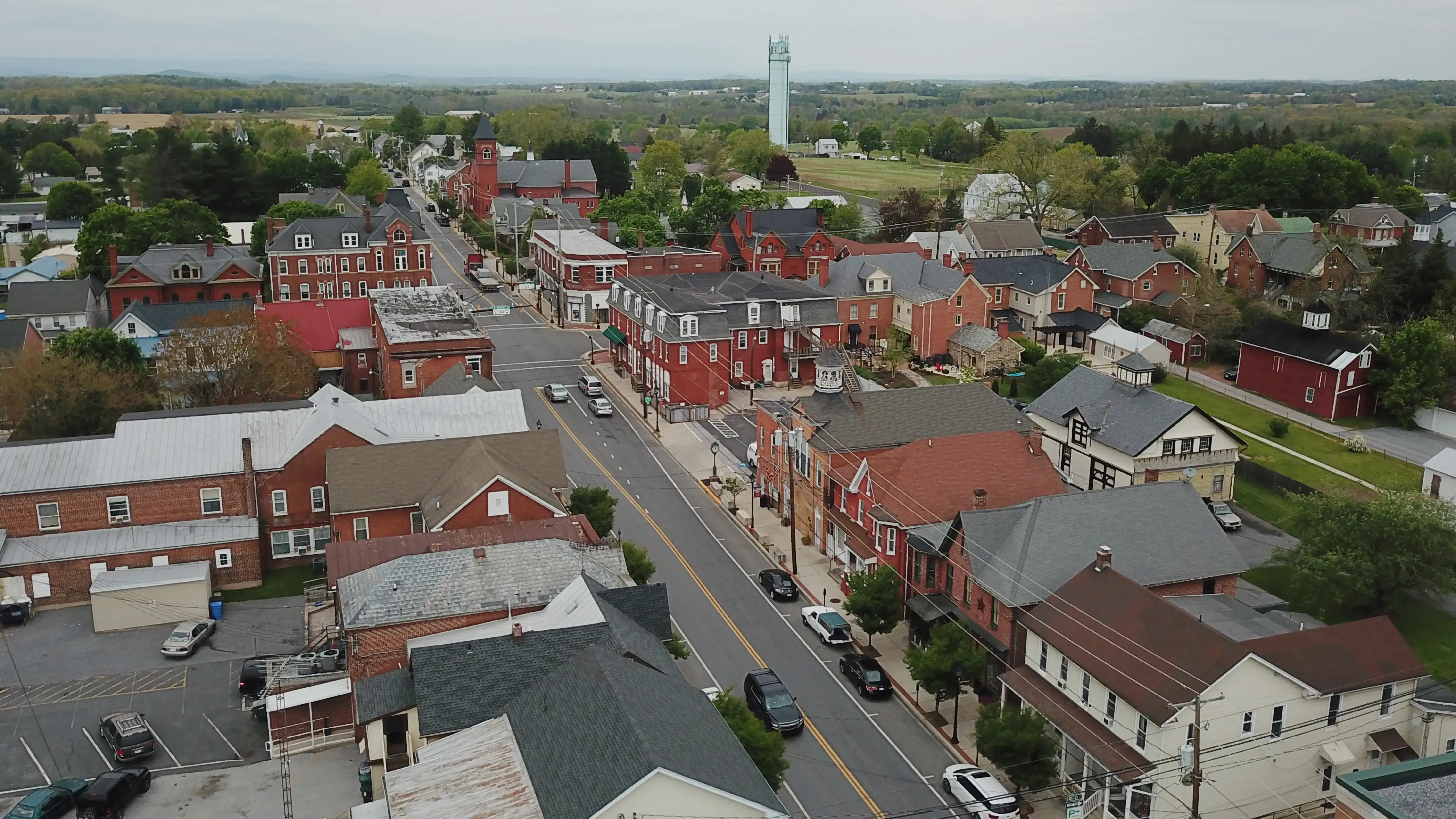
A small Maryland municipality had long relied on a third-party internet service provider to connect its various city buildings and departments. Though the city owned equipment installed on its own water and cellular towers, that infrastructure was being managed externally. Due to these factors, the city had little control over its own network, slow response times when issues arose, and recurring costs with no clear path to independence. Leadership decided it was time to take full ownership of their infrastructure, cut ties with the outside provider, and build a network they could manage, expand, and troubleshoot on their own terms.
The Challenge
- Third-party dependency: Dependency on the third-party managing the city’s equipment created delays when outages or issues occurred, especially if issues occurred outside of normal business hours.
- Lack of infrastructure ownership: The city was paying for a service built on equipment they already owned but couldn't control.
- Fragmented departmental networks: The Police Department, Town Hall, parks, and sewer stations were not integrated in a consistent or secure way. Sewer stations had no way to communicate with central systems, and parks lacked cameras or Wi-Fi coverage.
- No internal network expertise: The city's Director of Technology needed training and documentation to confidently manage the infrastructure going forward.
The Solution
City-Wide Network Redesign
InfoPathways led a full redesign of the municipality's network architecture, consolidating all city buildings onto a single internet connection. This replaced the fragmented, vendor-dependent setup with a unified infrastructure the city could own and operate directly. All configuration decisions were handled by InfoPathways while the city contracted its own certified climbers and installers to physically deploy the equipment on water and cellular towers throughout the city.
VLAN Segmentation and Security
To keep each department's traffic isolated and secure, InfoPathways designed and configured a VLAN architecture that allowed the Police Department, Town Hall, parks, and sewer stations to communicate across the same underlying network without exposing sensitive data between departments. Custom firewall rules were implemented to enforce these boundaries and protect the city's systems from unauthorized access.
Park and Sewer Station Connectivity
As part of the network buildout, InfoPathways extended connectivity to previously offline locations. Security cameras and public Wi-Fi were installed at city parks, and sewer stations — which had historically operated in isolation — were brought onto the network for the first time, enabling centralized visibility and communication across all city utilities.
IT Training and Network Documentation
InfoPathways provided hands-on training to the city's Director of Technology, covering VLAN management, network security fundamentals, and best practices for labeling and mapping infrastructure. The goal was to ensure the city's internal team could independently monitor, troubleshoot, and maintain the network without relying on outside support for day-to-day operations.
What's Next?
Rather than creating ongoing dependency, InfoPathways built a solution the city could own. The city continues to engage InfoPathways on an as-needed basis as its infrastructure grows. With a trained internal IT lead and a well-documented network in place, the city is well-positioned to scale its infrastructure confidently.
The Results
- Eliminated dependency on third-party provider, giving the city full control over its own infrastructure and reducing the time and cost associated with vendor-managed support
- Faster issue resolution meant city staff can now identify and address network problems directly, without waiting on an outside vendor
- Sewer stations connected to the city network for the first time, enabling centralized communication and monitoring across all utility sites
- New park infrastructure including security cameras and public Wi-Fi, improving public safety and community services
- Improved Police Department integration, supporting more seamless day-to-day operations across public safety systems
- A trained internal IT lead capable of managing and expanding the network independently
.png?width=200&height=200&name=golf%20ball%20logo%20(1).png)