.svg)


The Department of War has announced the immediate suspension of Cybersecurity Maturity Model...
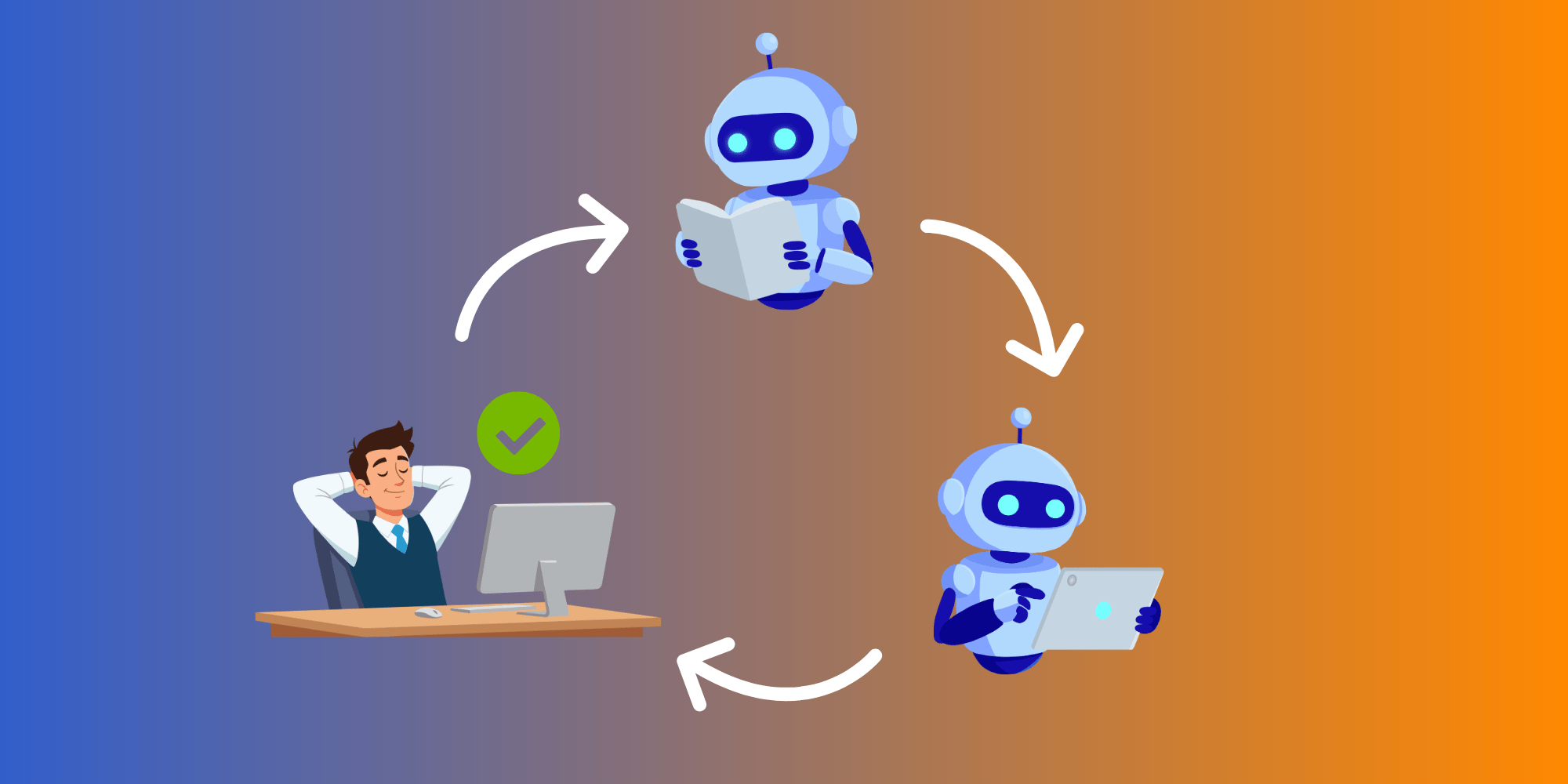
Rather than allowing an AI system to operate fully on its own the AI governance concept often referred to as "Human in the Loop" is designed to ensure that a qualified person reviews, validates, and has the authority to override what the AI produces before it moves forward. The idea is rooted in the recognition that AI systems, no matter how sophisticated, can be wrong, biased, or operating outside the bounds of what a specific situation actually requires. In high-stakes environments (think healthcare, legal, financial, or cybersecurity decisions) human oversight is required.
Sounds nice, doesn't it? Very responsible. Very collaborative. But let's be honest about what's actually happening inside most organizations right now...
In theory "Human in the Loop" means humans remain meaningfully involved in AI-assisted decisions, providing judgment, oversight, and accountability at critical checkpoints. But far too often in practice AI writes, AI recommends, AI summarizes it own decisions before they even appear before human eyes... and then someone named Steve clicks "Approve" because the meeting starts in two minutes. If your entire AI governance strategy amounts to "Well, Susan looked at it before we sent it," congratulations. You haven't built Human in the Loop. You've built Human in the Liability Chain.
What Real Oversight Actually Requires
There is a meaningful difference between a human who reviews AI output with genuine authority and a human who rubber-stamps it under time pressure with no real context for what they're approving.
Real Human in the Loop means giving people:
- Enough context to understand what the AI actually did and why
- Enough time to evaluate the output critically, not just skim it
- Enough authority to push back, override, or escalate
- Enough training to know when something looks wrong
Without those four things, the human is just someone who will inevitablyiably be blamed for a mistake they never had s chance of catching. "Reviewed by a Human" should not translate to: "Congratulations, Dave. You are now the proud owner of the robot's mistakes."
When AI-assisted decisions go wrong organizations that treated human review as a formality will find themselves in a difficult position. Regulators, clients, and courts are unlikely to be satisfied with "a human approved it" if that human had no meaningful ability to catch the error.
Building responsible AI into your operations means designing workflows where human review is substantive, not ceremonial. It means investing in training so that the people in the loop actually understand what they're reviewing. And it means giving those people the time and authority to say no.
Human in the Loop is a good idea. Let's make sure we're actually doing it.
InfoPathways helps organizations build AI strategies that are practical, accountable, and built for how your business actually operates. Reach out to start the conversation.